Best Rock Climbing. This is the best rock climbing of Dan Osman a Japanese American 2 time Guiness Book of World Record holder.
NEXT ->>...
Showing posts with label Extreme. Show all posts
Showing posts with label Extreme. Show all posts
Friday, August 12, 2011
Best Rock Climbing
Tuesday, October 13, 2009
Surfing on the Mountain of Fire Most Dangerous in Nicaragua
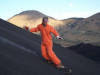 Volcano Surf, or surfing on the volcano, is one of the new sport that is now growing and popular among enthusiasts challenge. One of the conducts of this exercise is Phillip Southan, a young entrepreneur from Green Pathways Tour. Flagship program is surfing in Cerro Negro, one of the active volcanoes of the most dangerous in Nicaragua.
Participants will climb a volcano that has 726 meters high, and then they drove from the top down with incredible speed. Obstacles they must deal. This is where the biggest challenge, in which participants have to master the right skateboard. The risk of a broken leg, or broken limbs, even death, peering. This is precisely the challenge surfers honored.
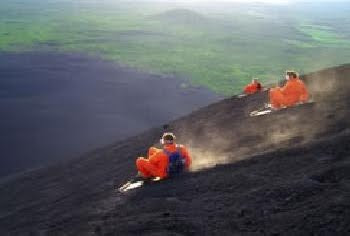
Another danger is the reply peek from time to time Cerro Negro volcano could be coughed, and this is very dangerous. Phillip Southan has changed the area's dangerous ‘Cerro Negro Volcano’ a place of fun. But Southan said, the greatest danger is not on fire but the mountain-made small mistakes can lead to participants wrote harm, could even be fatal.
This surf volcano has walked four years, but the 10,000 participants have participated.
Source : http://www.matabumi.com
Tuesday, August 11, 2009
River boarding Game Equipment
River boarding Game Equipment. If the carrier and trekking shoes are basic equipment in mountain climbing, the basic equipment river boarding course river board. After that there is safety equipment, the jacket, helmet, and knee cap and the tibia. In addition, frogs have shoes as equipment adjuvant.
Surfboard River
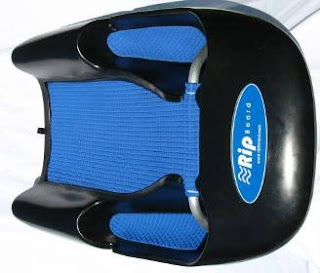
There are two types of material used to make river board modern, which is a mixture of foam rubber and plastic bump resistance. The most developed is a foam board, because the more impact-resistant. Hollow plastic board is generally used in the rivers that are not much or more in the stone. Not heavy, about 7 kg. Can be made with the Aerodynamic shape, so often used for speed and slalom competitions. While the board rubber foam weighing between 7-15 kg. There are special forms of racing, free style, boogie, and rescue.
Float
Even though the children usually play in the village which is quite swift river wearing only shorts, vest Still River boarding in absolute terms. First, because we are not too familiar with the characters as their river. If we pool skills are superb as the adventurer, the guidelines on safety should not ignore if we want to do the responsible activity. Second, not the perpetrators of more secret activities in the generally open nature inflame if the greater the risk. Small cascade, which may still be safe enough without a life jacket forded by skilful swimmer, quickly became less challenging if we are carrying a surfboard. Without realizing we will exceed the limit in order to find a more rapid weight. So, always use a jacket since the beginning. Vest the right to float the river this is the usual pro-worn kayak. Unlike the vest for rafting, kayaking vest worn as we wear T-shirt, or with reselecting in the future, the webbing tape on both sides.

Helm River
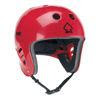
With the same jacket, helmet for absolute safety. Helmet that is used for regular rafting sufficient. However, in line with the increase in river level of difficulty that we select, consider a special helmet that covers the ears and works to protect the head side. Helm special surfing river also have eye protectors, such as motorcycle helmets, this is to prevent our eyes from the water that can be sore if we crash in high speed. If using a helmet, we can enter the cascade with large eyes wide open.
Knee cap and the tibia
As well as helmets, knee cap and have dried the bones specifically designed for river surfing. But it is quite safe when replaced with a protective softball. Has a special protective shell knee cap, which ignites with more soft material for protecting bone dry.

Frog Shoes
Unlike the vest, helmet and protective feet, which is a requirement of safety, shoes, fin swimming frogs or do we make it easier to maneuver. Without fin we may only be brought out flow. Frog shoes can not be used if we only want to have fun in the flow that does not unduly downpours. Fin that we do not need to select the top quality, just a middle-class only, with the price of one hundred thousand more. Fin to surfing the river forms a short and somewhat rigid. Fin can help us go faster than the flow of the river, so it is able to avoid the vortex that we do not want to skip, or even entering a challenging rapid.

Other equipment
Some equipment can increase the enjoyment we surfing in a river. Motorcycle gloves can reduce the risk of a hand grip abrasions exposed surfboard. Swimming glasses, if we do not use a special helmet wear protective eye, we will create a more durable in the water without eyes to become red. For those who wear glasses minus, you can buy glasses with lenses in accordance pool dioptri glasses. There are also entering a wet suit (wetsuit) to this list, because it can help to avoid abrasions, if the shallow part of the river and many miles, also add a power float (buoyancy), although slightly hamper movement. Other additional equipment is a bag of water (hydration pack), especially if we surf all day long-distance, because although there are always in the water, lack of body fluids fell ill ease muscle cramps.
NEXT ->>...
Surfboard River
There are two types of material used to make river board modern, which is a mixture of foam rubber and plastic bump resistance. The most developed is a foam board, because the more impact-resistant. Hollow plastic board is generally used in the rivers that are not much or more in the stone. Not heavy, about 7 kg. Can be made with the Aerodynamic shape, so often used for speed and slalom competitions. While the board rubber foam weighing between 7-15 kg. There are special forms of racing, free style, boogie, and rescue.
Float
Even though the children usually play in the village which is quite swift river wearing only shorts, vest Still River boarding in absolute terms. First, because we are not too familiar with the characters as their river. If we pool skills are superb as the adventurer, the guidelines on safety should not ignore if we want to do the responsible activity. Second, not the perpetrators of more secret activities in the generally open nature inflame if the greater the risk. Small cascade, which may still be safe enough without a life jacket forded by skilful swimmer, quickly became less challenging if we are carrying a surfboard. Without realizing we will exceed the limit in order to find a more rapid weight. So, always use a jacket since the beginning. Vest the right to float the river this is the usual pro-worn kayak. Unlike the vest for rafting, kayaking vest worn as we wear T-shirt, or with reselecting in the future, the webbing tape on both sides.
Helm River
With the same jacket, helmet for absolute safety. Helmet that is used for regular rafting sufficient. However, in line with the increase in river level of difficulty that we select, consider a special helmet that covers the ears and works to protect the head side. Helm special surfing river also have eye protectors, such as motorcycle helmets, this is to prevent our eyes from the water that can be sore if we crash in high speed. If using a helmet, we can enter the cascade with large eyes wide open.
Knee cap and the tibia
As well as helmets, knee cap and have dried the bones specifically designed for river surfing. But it is quite safe when replaced with a protective softball. Has a special protective shell knee cap, which ignites with more soft material for protecting bone dry.
Frog Shoes
Unlike the vest, helmet and protective feet, which is a requirement of safety, shoes, fin swimming frogs or do we make it easier to maneuver. Without fin we may only be brought out flow. Frog shoes can not be used if we only want to have fun in the flow that does not unduly downpours. Fin that we do not need to select the top quality, just a middle-class only, with the price of one hundred thousand more. Fin to surfing the river forms a short and somewhat rigid. Fin can help us go faster than the flow of the river, so it is able to avoid the vortex that we do not want to skip, or even entering a challenging rapid.
Other equipment
Some equipment can increase the enjoyment we surfing in a river. Motorcycle gloves can reduce the risk of a hand grip abrasions exposed surfboard. Swimming glasses, if we do not use a special helmet wear protective eye, we will create a more durable in the water without eyes to become red. For those who wear glasses minus, you can buy glasses with lenses in accordance pool dioptri glasses. There are also entering a wet suit (wetsuit) to this list, because it can help to avoid abrasions, if the shallow part of the river and many miles, also add a power float (buoyancy), although slightly hamper movement. Other additional equipment is a bag of water (hydration pack), especially if we surf all day long-distance, because although there are always in the water, lack of body fluids fell ill ease muscle cramps.
Wednesday, August 5, 2009
Rock Climbing in "Siung" Yogyakarta
 "Tebing Siung" Yogyakarta. From Yogyakarta Wonosari bus ride, then bus to the corner Wonosari three "Siung", after a few minutes walk on the beach so "Siung". The beach is beautiful. Yogyakarta in south coast known as the high waves, with the edge-barrier reef, and is a limestone area. Beach "Siung" as hidden beaches along the length of the bluff. Like a secret beach, the beach where the plane number 2 hidden Thunderbird. The white sand. Still beautiful. Moreover, not into a lot of garbage.
In addition to the Beach "Siung" that is the location of cliffs climb. Very good. Track is clear and challenging. One of the pioneering this path, since 1999 the name was "Mas Lombok. Climber is indeed derived from "Lombok". Position directly overlooking the sea this is a value-added "Tebing Siung" Cliffs other fields are usually in the middle or at the forest edge. One of them are "Tebing Tajur", Landscape from the top of the “Tebing Tajur” really beautiful, rice fields, gardens, hills, and the row houses so beautiful. There are more "Tebing Ciampea" both have the edge in the area of Bogor. Also "Tebing Parang", Purwakarta. Looking beautiful sunset from the slopes “Tebing Parang” also no less stunning. But the sea is far away to distinguish, cliffs that can not be compared with the beauty of "Tebing Siung".

Monday, August 3, 2009
History of Riverboarding
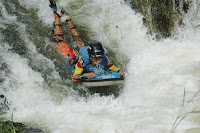 History of Riverboarding. Riverboarding born in the 1970s. Originally emerged from a group of boredom rafting guide in France. They want to swim in the river with a more interesting, more challenging. But those who are very familiar with the characters that make the river a few life preserver to one, then jump down. Yes, that is the embryo of as the birth of riverboard. It must be admitted, the French created the most creative challenges unimaginable before.
One factor in the challenge which is also known as hydrospeed this is speed. In the current very swift, surfer speed can exceed 30 km per hour. Not fast at all compared to the motorcycle. However, the other challenge is the direct relationship between the perpetrators with the rivers. It s just between you and the river, so the motto the lovers. Modern surfboard is generally made of foam rubber thickness is 8-12 cm. In the turbulent water of the river, sometimes thick board that does not mean anything. With the rubber boat or kayak, we are often swallowed cascade. With riverboard, almost all the time we are in parallel with the surface water. The rest, briefly disappear briefly into the air. That's why there are sites on the internet surfing the river to install the title Face Level.
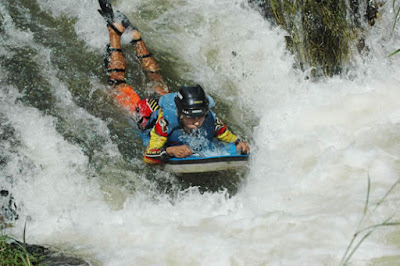
Not the other, the French spark riverboarding this jacket to replace the originally simply tied with foam rubber. Forms also continue to be developed, to achieve the basic form of a surfboard that the river is now known.

Now, riverboarding already wide spread in Europe, America and Australia and New Zealand. Robert Carlson said, however, one of the leaders riverboarding modern, actual events have already hydrospeed since prehistoric era! How can? According to Carlson, who has jumped into the river with any means of float, and surf the flow, can be categorized as surfer river. For example, there are groups of people who take advantage of the ancient fallen trees or blocks of wood as a means of transportation. Until now no such activity still exists. For example, try to play the villages near the rivers. Children of primary school age with a relaxing bath in the river with the downpours often only banana trunks or bamboo. Seems prehistoric era still in progress.
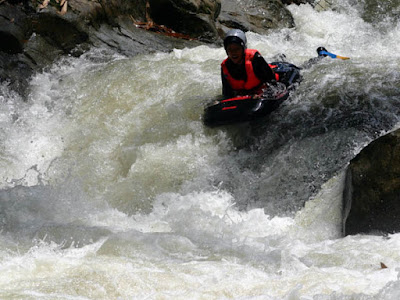
Why riverboarding very late entering Indonesia? It's not just a matter of price, although price riverboard on average above 3 million if the exchange rate of rupiah. May play a role is a slow flow of information. Now, we can easily surf the internet, that information flow so as soon as the river flows after rainfall in the upstream, so that we in Indonesia can be surfing in the rivers of our immeasurable potential and challenges, and even participate in race-race hydrospeed that have been held in many other countries.

Monday, July 20, 2009
New Style Surfing
New Style Surfing. Puerto Rico: Surfing with the challenge of high waves or sea-water rivers are common. Different conditions in the surf with the body tied with a giant kite, and drive the adrenalin. Before surfing in the sea, used to provide special clothing, surfboard, and of course the kite huge. The kite that differentiate this with surfing or surfing the board.
Maritime exercise this new classified as extreme and is quite a mix of surf and paragliding or Wakeboarding. Not all kites can be used to surf, because the kite is made of special nylon material with synthetic plastic shaped curve. So, if the fall in the water and still float size is big enough, that is seven times 20 square meters.

The strong sea waves and strong winds blowing in tow surfing speeds up to 80 kilometers per hour. In this surfing speed as tested adrenalin. Despite high risk, exercise which began since the 1990s is also considering the safety factor. By pressing the button once, the surfing may soon release a kite when in danger
NEXT ->>...
Maritime exercise this new classified as extreme and is quite a mix of surf and paragliding or Wakeboarding. Not all kites can be used to surf, because the kite is made of special nylon material with synthetic plastic shaped curve. So, if the fall in the water and still float size is big enough, that is seven times 20 square meters.
The strong sea waves and strong winds blowing in tow surfing speeds up to 80 kilometers per hour. In this surfing speed as tested adrenalin. Despite high risk, exercise which began since the 1990s is also considering the safety factor. By pressing the button once, the surfing may soon release a kite when in danger
Monday, May 11, 2009
Rock Climbing Takes a Good Stamina
 Rock Climbing. For people who are keen to sport and adventurous activities, rock climbing is really exciting. This kind of sport obliges strong body, proper stamina as well as enough braveness. If you are a newbie, you can train your body as well as stamina through proper rock climbing training regime. This training is important owing to this sport involves much physical stress, so you have to ascertain your body can withstand it.
Challenging Sport
To do this sport successfully, you actually need not only proper strength as well as stamina but sufficient experience as well. Currently, rock climbing is claimed to be one of the most popular as well as challenging sports. You may wonder why this sport becomes so popular. Well, you will get a few reasons. Besides performed outdoors, it also provides an opportuinity to exercise strenuously and an individualistic challenge to each rock climber.

For rock climbers, it is also usual to work as a team of two in which one of them becomes the climber and the other becomes the belayer. Normally, belaying refers to feeding the rope to a climber through what is known as a belay device. The belayer makes certain that the ropes are locked off so that the climber below does not fall, while another option open to rock climbers is using bolted hangers.
Currently, there are many people do rock climbing as a family sport. The increasing numbers of rock climbing gyms that are coming up everywhere is one of the reason for this trend. In fact, it is even possible to indulge in this sport on board cruise ships that provide special walls where you can do your climbing.
There are a number of advantages you can get from rock climbing including feeling a sense of greater accomplishment. It also helps to build team spirit since rock climbing is best done in pairs and it then helps climbers to trust one another and also form a closer bond as they help each other with their rock climbing. Actually, after having completed your rock climbing, you would feel almost Zen-like oneness with the rock climbing structure and a greater peace of mind as well.

Without a doubt, rock climbing is a wonderful sport even for those who have never ever tried before. So, never be hesitate to try this sport and feel how enervating and fulfilling this sport can be. As soon as you take a time for your first effort, you will certainly want to do it time and again.
Wednesday, May 6, 2009
Mountain Climbing For Everyone
Mountain Climbing For Everyone. Mountain climbing or mountaineering isn't only for men. At present, various women are engaging in this kind of sport. As Robyn Erbefield, a famous climber quoted, being a woman is no plus or handicap; men and women can climb. There are times when men can be stronger but women can also be strong.
 Although there are few distinctions between women and men who climb mountains, such that women are refined while men tend to be brute; both still enjoy the thrills of reaching the summit. It has been recorded that in 1659, there were 79 women who successfully climbed Mt. Everest and in the 1990's, 6 women climbed the mountain twice. It is very interesting to know that a good number of women are getting involved in mountain climbing.
Whether a woman is an experienced mountaineer or just a beginner, inherent danger is still present in climbing. One shouldn't take any precautions for granted. It will be useful to provide guidelines that can maximize any woman's safety. Consider the following sound advice:
Although there are few distinctions between women and men who climb mountains, such that women are refined while men tend to be brute; both still enjoy the thrills of reaching the summit. It has been recorded that in 1659, there were 79 women who successfully climbed Mt. Everest and in the 1990's, 6 women climbed the mountain twice. It is very interesting to know that a good number of women are getting involved in mountain climbing.Whether a woman is an experienced mountaineer or just a beginner, inherent danger is still present in climbing. One shouldn't take any precautions for granted. It will be useful to provide guidelines that can maximize any woman's safety. Consider the following sound advice:
- Before climbing, check on the temperature. Because mountain climbing can include rock and ">ice climbing, a climber can expect a subzero to extremely hot temperature. Proper training and skill development are vital. One can hire an instructor to properly advice her of the dos and don'ts in mountain climbing.
- Mountaineering involves difficulties of elevation, distance covered and the environmental conditions. There can be loose rock on the route. The climber should check the condition of lower offs and bolts. She should always check on her own harness and knots.
- Proper gear such as boots, jackets, pants and helmets should be prepared. Technical climbing equipment like ice axes, crampons and ropes should also be brought. Gears and equipment should be matched to the temperature when the planned climb will be executed. These things are essential once there is an increase in potential fall and slope angle.
- Even pregnant women want to continue their climbing. There is no problem with this unless it will be done during the first weeks of pregnancy. They should be aware of the risks they are taking. She should take it easy and slow down when she begins to feel heavy and tired. She should utilize a full body harness when a bump has increased.
Women engage in different extreme sports and mountain climbing proves to be an added challenge to their ability. They have been involved in mountaineering not just to be physically fit but to add adventure to their lives. There are many rewards associated with mountain climbing thus many women dedicate their lives to reach the highest and the most difficult peak they can climb.
Website : www.goarticles.com
NEXT ->>...
Website : www.goarticles.com
Clean Climbing Style
Clean Climbing Style. Clean climbing is a style of rock climbing that avoids damage to the rock by eschewing the drilling of bolts and the hammering of pitons. The style became practical with the invention of clean protection: nuts in the 1930s and spring loaded camming devices in the 1970s. The 1970s also saw the introduction of the Leave No Trace concept, which, among similar ethics for other outdoor activities, stipulates that climbers should follow these clean climbing notions.
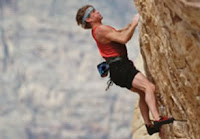 Clean climbing is the preferred style of climbing in most parts of the United Kingdom where it is more commonly known as traditional climbing (trad); British climbers tolerate bolts and pitons on only a few cliffs. In other parts of the world it co-exists with sport climbing.
Clean climbers can carry and place protection by hand, removing them just as easily and cleanly.
Pitons and bolts are rarely used (almost exclusively in aid climbing) due to the damage they cause to the rock. This ethic has evolved such that on most modern climbs, any bolts and pitons installed are left in place (known as "fixed") for all future parties to use, in order to prevent multiple damaging placements.
Clean climbing differs from Sport Climbing, a popular form of climbing in many parts of Europe and the United States (as well as other countries), in that protection for Sport Climbing is provided entirely by fixed bolts, and clean gear is rarely used. Sport Climbing typically involves shorter routes (usually 100' in height or less) focusing on overhung, strenuous movements, and does not require the considerable skill of placing and removing clean protective gear.
Some routes are partially bolt protected and partially gear protected. These are most commonly referred to as "mixed protection" routes.
The debate between Traditional, or Trad Climbers, and Sport Climbers continues to this day over what the acceptable usage of bolts for protection is. Most Traditional climbers believe that bolts should not be used on any route where clean protection is possible, in order to preserve the rock. Some sport climbers believe that all routes should be bolted completely so that gear placement skills are not necessary to attempt the climb.
The general ethic is very dependent upon the area in question and varies widely by region. Generally speaking, the traditional ethic holds in most areas, and bolts are not used for protection unless there is no other option.
Left to traditional clean climbers, major UK climbing areas—Malham Cove, for example—could have been climbed and still remain clear of expansion bolts. Despite this, bolting was permitted by the BMC on this Site of Special Scientific Interest
NEXT ->>...
Clean climbing is the preferred style of climbing in most parts of the United Kingdom where it is more commonly known as traditional climbing (trad); British climbers tolerate bolts and pitons on only a few cliffs. In other parts of the world it co-exists with sport climbing.Clean climbers can carry and place protection by hand, removing them just as easily and cleanly.
Pitons and bolts are rarely used (almost exclusively in aid climbing) due to the damage they cause to the rock. This ethic has evolved such that on most modern climbs, any bolts and pitons installed are left in place (known as "fixed") for all future parties to use, in order to prevent multiple damaging placements.
Clean climbing differs from Sport Climbing, a popular form of climbing in many parts of Europe and the United States (as well as other countries), in that protection for Sport Climbing is provided entirely by fixed bolts, and clean gear is rarely used. Sport Climbing typically involves shorter routes (usually 100' in height or less) focusing on overhung, strenuous movements, and does not require the considerable skill of placing and removing clean protective gear.
Some routes are partially bolt protected and partially gear protected. These are most commonly referred to as "mixed protection" routes.
The debate between Traditional, or Trad Climbers, and Sport Climbers continues to this day over what the acceptable usage of bolts for protection is. Most Traditional climbers believe that bolts should not be used on any route where clean protection is possible, in order to preserve the rock. Some sport climbers believe that all routes should be bolted completely so that gear placement skills are not necessary to attempt the climb.
The general ethic is very dependent upon the area in question and varies widely by region. Generally speaking, the traditional ethic holds in most areas, and bolts are not used for protection unless there is no other option.
Left to traditional clean climbers, major UK climbing areas—Malham Cove, for example—could have been climbed and still remain clear of expansion bolts. Despite this, bolting was permitted by the BMC on this Site of Special Scientific Interest
Monday, May 4, 2009
Mountain Bike
Mountain Bike. Bicycle is a human driven vehicle and it is a century old invention. Before the fuel driven vehicles were invented, bicycle was one of the leading means of conveyance during the traditional days. As the time passed by, with the addition of various technological additions it became a popular means for the fun ride. The modern bicycles are considered as the best for outdoor fun trip into the hilly area or naturally wildered locals. The modern bicycles are well equipped with all the necessary accessories for the easy and comfortable ride. The biking offers a good option for fun and exercise. It offers cost effective health benefits to millions of people around the world. They are known as the cheapest mode of transport. With the growing need of the fuel driven vehicles and fast paced lifestyle, the bicycle is now only being used for the adventurous sporting activities. The biking is being very popular sport amongst the youngsters during their holidays.

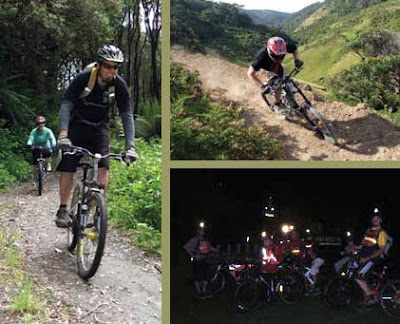
Many of them prefer to go on camping to the various locals and enjoy the great ride with friends and families. There are lot of scientific based additions are equipped with the modern bicycle and it is now widely known as mountain bike. The wheel bases are broader than the conventional type, light weighted frame, comfortable seat and lot of other necessary accessories to add maximum riding pleasure. Biking now has developed a full ranged culture and many other things have been added along with the biking such as Shimano gears, cycling clothing and shorts, Campagnolo and many other novel inventions. Like any other adventure sports, the extreme mountain biking has its own basic requirements before stepping out for a ride. Personal safety of the rider is a prime consideration nowadays for every biker. It is highly necessary that a bike rider should be fully equipped all the required biking gears to safeguard their limbs. Some of the most important safety gears like head gears, knee and elbow gears, hand gloves, sporting shoes, strong and comfortable outfit etc. There are various range of designer version of all these accessories and clothing are available in the market under various popular brands. Shimano gears offer variable speed to the bike. It even helps the bike rider to drive the bike comfortably without any physical stress. Biking is normally demands great physical energy due to continuous biking and having a good physical condition is the prime requirement for the biking. Besides being a great and dangerous sport, it offers a complete exercise to the whole body. If the safety precautions are followed properly, a mountain biking would be a lifetime memorable experience of a fun ride. Probikekits.com is a widely popular name in offering best biking accessories manufactured by some of the best brands in the world. They often organize promotional events to offer various biking accessories to the bike lovers. The bike riders are found taking great advantage of the exciting discounting offers on pro biking outfits and other necessary safety gears.
NEXT ->>...
Many of them prefer to go on camping to the various locals and enjoy the great ride with friends and families. There are lot of scientific based additions are equipped with the modern bicycle and it is now widely known as mountain bike. The wheel bases are broader than the conventional type, light weighted frame, comfortable seat and lot of other necessary accessories to add maximum riding pleasure. Biking now has developed a full ranged culture and many other things have been added along with the biking such as Shimano gears, cycling clothing and shorts, Campagnolo and many other novel inventions. Like any other adventure sports, the extreme mountain biking has its own basic requirements before stepping out for a ride. Personal safety of the rider is a prime consideration nowadays for every biker. It is highly necessary that a bike rider should be fully equipped all the required biking gears to safeguard their limbs. Some of the most important safety gears like head gears, knee and elbow gears, hand gloves, sporting shoes, strong and comfortable outfit etc. There are various range of designer version of all these accessories and clothing are available in the market under various popular brands. Shimano gears offer variable speed to the bike. It even helps the bike rider to drive the bike comfortably without any physical stress. Biking is normally demands great physical energy due to continuous biking and having a good physical condition is the prime requirement for the biking. Besides being a great and dangerous sport, it offers a complete exercise to the whole body. If the safety precautions are followed properly, a mountain biking would be a lifetime memorable experience of a fun ride. Probikekits.com is a widely popular name in offering best biking accessories manufactured by some of the best brands in the world. They often organize promotional events to offer various biking accessories to the bike lovers. The bike riders are found taking great advantage of the exciting discounting offers on pro biking outfits and other necessary safety gears.
SCUBA DIVING
When You Want It To Be More Than Just A Hobby
 Scuba Diving. Are you tried of your normal workday? It probably seems that there's nothing more to life than driving to work in the morning, working with uncooperative colleagues, getting very tired, and then drive back home. Add to that all the noise and air pollution you encounter along the way.
If you're adventurous and unconventional enough, a career in scuba diving may be right for you. Usually, those who pursue scuba diving careers were scuba diving enthusiasts who wish to take their hobby a little further. Scuba diving couldn't possibly be compared to other career choices.
Instead of causing stress, it is a rejuvenating activity. You get paid by doing something you like. You get to impart your knowledge on the sport with other people who share your interest. In scuba diving, there's no unappreciative boss and annoying colleagues
Starting a scuba diving is a bit like other careers, though. You should have that extreme interest in diving, and then develop your abilities to working on that. Though it seems so easy since scuba diving sounds all about fun, there's more to learn to become a scuba diving instructor. You would have to master not only the craft of teaching but also develop an expertise in diving.
Like other professionals, scuba diving instructors also used to be students. They began with easier courses on scuba diving and then slowly moved on to more advanced courses.
Of course, through the process, they were able to see more to scuba diving than just having fun while diving. They were able to see a different side of scuba diving that encourages them to share the sport to others.
If you ask any scuba diver instructor, he'll probably tell you so much about what scuba diving has to offer. For the love of the sport and the desire to let others experience the beauty of scuba diving, they ended up being a scuba diver instructor.
Although you might think that scuba diver instructors know everything there is to learn, the truth is there is still so much to learn about scuba diving. Scuba diving is an evolving activity. it is used by the military and scientists as well.
Nobody can possibly learn everything about scuba diving.
That's why more and more people are getting interested in scuba diving. It offers a whole new world and constantly opens more doors to exploring the mysteries of the underwater life. If you are up to this challenge, then you should seriously consider a career in scuba diving.
To be a scuba diving instructor, you would first need to be a dive master. There are a lot of several scuba diving schools or agencies where you could get a certification of being a dive master.
By the end of an instructor development course, you are expected to learn more than just the basics of diving.
You'll be taught about diving standards, safety and regulations and the scuba diving system as it relates to the law. Of course, you'll learn several techniques that you can employ to effectively teach your future students.
This extensive course will definitely make you master of scuba diving. You'll learn everything you need to know to kick start your career in scuba diving. Of course, the rest of the learning process will follow once you have started your craft. Like many other careers, you only get about 20% of the knowledge from training, and you derive the rest in the real world.

As a scuba diving instructor, scuba divers could expect a lot from you. You need to be able to teach scuba divers how to safely scuba dive and at the same time have fun. That is quite a responsibility.
Your students have placed their life's security on your hands, but that doesn't mean it'll be easy to teach them how to stay safe and remain alive while underwater.
There are also other things you have to look into in pursuing a career as a scuba diver instructor. Like other careers, there's much marketing involved. You may have to learn a little on sales literature and product marketing. You don't have to buy everything they advertise but you need to understand the scuba diving business industry. The market in scuba diving largely affects your job and your students as well.
NEXT ->>...
Scuba Diving. Are you tried of your normal workday? It probably seems that there's nothing more to life than driving to work in the morning, working with uncooperative colleagues, getting very tired, and then drive back home. Add to that all the noise and air pollution you encounter along the way.If you're adventurous and unconventional enough, a career in scuba diving may be right for you. Usually, those who pursue scuba diving careers were scuba diving enthusiasts who wish to take their hobby a little further. Scuba diving couldn't possibly be compared to other career choices.
Instead of causing stress, it is a rejuvenating activity. You get paid by doing something you like. You get to impart your knowledge on the sport with other people who share your interest. In scuba diving, there's no unappreciative boss and annoying colleagues
Starting a scuba diving is a bit like other careers, though. You should have that extreme interest in diving, and then develop your abilities to working on that. Though it seems so easy since scuba diving sounds all about fun, there's more to learn to become a scuba diving instructor. You would have to master not only the craft of teaching but also develop an expertise in diving.
Like other professionals, scuba diving instructors also used to be students. They began with easier courses on scuba diving and then slowly moved on to more advanced courses.
Of course, through the process, they were able to see more to scuba diving than just having fun while diving. They were able to see a different side of scuba diving that encourages them to share the sport to others.
If you ask any scuba diver instructor, he'll probably tell you so much about what scuba diving has to offer. For the love of the sport and the desire to let others experience the beauty of scuba diving, they ended up being a scuba diver instructor.
Although you might think that scuba diver instructors know everything there is to learn, the truth is there is still so much to learn about scuba diving. Scuba diving is an evolving activity. it is used by the military and scientists as well.
Nobody can possibly learn everything about scuba diving.
That's why more and more people are getting interested in scuba diving. It offers a whole new world and constantly opens more doors to exploring the mysteries of the underwater life. If you are up to this challenge, then you should seriously consider a career in scuba diving.
To be a scuba diving instructor, you would first need to be a dive master. There are a lot of several scuba diving schools or agencies where you could get a certification of being a dive master.
By the end of an instructor development course, you are expected to learn more than just the basics of diving.
You'll be taught about diving standards, safety and regulations and the scuba diving system as it relates to the law. Of course, you'll learn several techniques that you can employ to effectively teach your future students.
This extensive course will definitely make you master of scuba diving. You'll learn everything you need to know to kick start your career in scuba diving. Of course, the rest of the learning process will follow once you have started your craft. Like many other careers, you only get about 20% of the knowledge from training, and you derive the rest in the real world.
As a scuba diving instructor, scuba divers could expect a lot from you. You need to be able to teach scuba divers how to safely scuba dive and at the same time have fun. That is quite a responsibility.
Your students have placed their life's security on your hands, but that doesn't mean it'll be easy to teach them how to stay safe and remain alive while underwater.
There are also other things you have to look into in pursuing a career as a scuba diver instructor. Like other careers, there's much marketing involved. You may have to learn a little on sales literature and product marketing. You don't have to buy everything they advertise but you need to understand the scuba diving business industry. The market in scuba diving largely affects your job and your students as well.
Saturday, January 17, 2009
BLACK ICE
Black ice is ice frozen without many air bubbles trapped inside, making it transparent. Black ice takes the color of the material it lies on top of, often wet asphalt or a darkened pond. Its difficult-to-detect nature makes it a significant hazard to drivers, pedestrians, and sailors.
On Roads
 Black ice, also known as "glare ice" or "clear ice," typically refers to a thin coating of glazed ice on a surface, often a roadway. While not truly black, it is transparent, allowing the usually-black asphalt/macadam roadway to be seen through it, hence the term. It is unusually slick compared to other forms of roadway ice.
Because it contains relatively little entrapped air in the form of bubbles, black ice is transparent and thus very difficult to see (as compared to snow, frozen slush). In addition, it often is interleaved with wet road, which is identical in appearance. For this reason it is especially hazardous when driving or walking because it is both hard to see and unexpectedly slick.
Bridges and overpasses can be especially dangerous. Black ice forms first on bridges and overpasses because air can circulate both above and below the surface of the elevated roadway, causing the pavement temperature to drop more rapidly. This is often indicated with "Bridge May Be Icy" warning signs.
Black ice may form even when the ambient temperature is several degrees above the NTP freezing point of water (0°C) if the air warms suddenly after a prolonged cold spell that leaves the surface of the roadway well below the freezing point temperature.
The term black ice is sometimes used to describe any type of ice that forms on roadways, even when standing water on roads turns to ice as the temperature falls below freezing. However, this use of the term black ice is not included in the American Meteorological Society Glossary of Meteorology.
A similar hazardous condition can also occur when diesel fuel spills onto a road surface because the lighter fractions evaporate quickly to leave a greasy slick which is difficult for oncoming drivers to spot in time to prevent skidding.
Ice skating
In New England, "black ice" refers to a clear type of pond ice that forms in very cold weather. Black ice has the appearance of thick, slightly cracked glass laid on the water, and its transparency reveals the darkness of the pond beneath: hence the name. Black ice is very hard and smooth, making gliding easier, but stopping slower and more difficult.
Thin, clear ice also has acoustic properties which are useful to tour skaters. Skating on clear ice radiates a tone whose frequency depends on the thickness of the ice.
Maritime black ice
Black ice is a danger for cold-weather fishing trawlers. As ice forms on its superstructure, a boat can become top heavy, and in rough weather this unbalanced extra weight may capsize it. Thick layers of black ice can form rapidly on boats where they encounter a combination of air temperatures cold enough to freeze seawater and rough seas that splash seawater over the entire boat.
NEXT ->>...
On Roads
Black ice, also known as "glare ice" or "clear ice," typically refers to a thin coating of glazed ice on a surface, often a roadway. While not truly black, it is transparent, allowing the usually-black asphalt/macadam roadway to be seen through it, hence the term. It is unusually slick compared to other forms of roadway ice.Because it contains relatively little entrapped air in the form of bubbles, black ice is transparent and thus very difficult to see (as compared to snow, frozen slush). In addition, it often is interleaved with wet road, which is identical in appearance. For this reason it is especially hazardous when driving or walking because it is both hard to see and unexpectedly slick.
Bridges and overpasses can be especially dangerous. Black ice forms first on bridges and overpasses because air can circulate both above and below the surface of the elevated roadway, causing the pavement temperature to drop more rapidly. This is often indicated with "Bridge May Be Icy" warning signs.
Black ice may form even when the ambient temperature is several degrees above the NTP freezing point of water (0°C) if the air warms suddenly after a prolonged cold spell that leaves the surface of the roadway well below the freezing point temperature.
The term black ice is sometimes used to describe any type of ice that forms on roadways, even when standing water on roads turns to ice as the temperature falls below freezing. However, this use of the term black ice is not included in the American Meteorological Society Glossary of Meteorology.
A similar hazardous condition can also occur when diesel fuel spills onto a road surface because the lighter fractions evaporate quickly to leave a greasy slick which is difficult for oncoming drivers to spot in time to prevent skidding.
Ice skating
In New England, "black ice" refers to a clear type of pond ice that forms in very cold weather. Black ice has the appearance of thick, slightly cracked glass laid on the water, and its transparency reveals the darkness of the pond beneath: hence the name. Black ice is very hard and smooth, making gliding easier, but stopping slower and more difficult.
Thin, clear ice also has acoustic properties which are useful to tour skaters. Skating on clear ice radiates a tone whose frequency depends on the thickness of the ice.
Maritime black ice
Black ice is a danger for cold-weather fishing trawlers. As ice forms on its superstructure, a boat can become top heavy, and in rough weather this unbalanced extra weight may capsize it. Thick layers of black ice can form rapidly on boats where they encounter a combination of air temperatures cold enough to freeze seawater and rough seas that splash seawater over the entire boat.
Friday, January 2, 2009
Blue Ice (glacial)

Blue ice occurs when snow falls on a glacier, is compressed, and becomes part of a glacier that winds its way toward a body of water (river, lake, ocean, etc.). During its travels, all of the air bubbles that are trapped in the ice are squeezed out, and the size of the ice crystals increases, making it clear.
In some areas, earthquakes have raised the blue ice above the ground and created formations much like large frozen waves.
The blue color is often wrongly attributed to Rayleigh scattering. Rather, the ice is blue for the same reason water is blue: it is a result of an overtone of a OH molecular stretch in the water which absorbs light at the red end of the visible spectrum.
Runways
Blue ice is exposed in areas of Antarctic where there is no net addition or subtraction of snow. That is, any snow that falls in that area is counteracted by sublimation or other losses. These areas have been used as runways due to their hard ice surface which is suitable for aircraft fitted with wheels rather than skis.
Sunday, December 14, 2008
ROCK CLIMBING

For a rock climber, reaching the top is not the point. Rock climbing is the journey that matters most if you are climbing for fitness.

Whether their journey lasts two hours or two days, rock climbers can benefit from a mental workout as well as a physical one, according to the Colorado-based American Sport Climbers Federation (ASCF). Physically, rock climbing burns fat while strengthening muscles if pursued at a vigorous pace. Mentally, rock climbers exercise their ability to focus fully on a single task. Climbers also get practice confronting their fears- the fear of heights, the fear of falling, the fear of failure. Ultimately, the sport can improve your self-confidence - if you learn how to climb safely, that is.
What is rock climbing?
Until recent years, scaling cliffs and huge mountain peaks was considered the most legitimate form of climbing and shorter routes were considered practice for these longer endeavors. More recently, indoor climbing on artificial walls, shorter outdoor climbing routes and competitive climbing have gained popularity. During the last 10 years rock climbing has become a relatively mainstream adventure activity.
Increasing numbers of people are introducing themselves to rock climbing in indoor climbing facilities, or rock gyms. The number of rock gyms in this country has soared. Located in schools, universities and commercial facilities, rock gyms provide climbing walls of varying difficulty levels equipped with movable holds, ropes and pulleys. Reputable rock gyms provide expert instruction and rent climbing shoes, harnesses and other equipment you will need to climb safely.
Many basic climbing skills mastered in a rock gym can be transferred to outdoor climbing - a more exciting, albeit more dangerous, pursuit. "Bouldering," or climbing boulders (large rocks), is probably the simplest and safest form of outdoor rock climbing because boulders are low to the ground and can be climbed without ropes or other gear. Sport climbing involves rope and other safety gear but is associated with shorter, safer routes and more difficult athletic movements.
Traditional "trad" climbing on big rock faces, such as El Capitan in Yosemite, emphasizes the use of holds and various protection devices inserted into cracks as the climber ascends. Because these devices take some skill and effort to place correctly, trad climbing moves are slower and less powerful compared with sport-climbing moves. "Free climbing" uses natural rock features to climb with ropes and other devices to protect against falls.
How many calories will rock climbing burn?
Ascending a natural or artificial rock wall burns up to 700 calories an hour if you weigh 140 pounds or up to 974 calories an hour if you weigh 190 pounds. Rock-climbing sessions tend to last at least two or three hours. However, due to its great intensity and physical demand, duration is more limited than most activities.
Advantages
In addition to offering an anaerobic and aerobic workout, rock climbing exercises almost every muscle group, according to the ASCF. Rock climbing two or more times a week improves your strength, muscular and cardiovascular endurance, flexibility, and mental toughness.
Disadvantages
Rock climbing, particularly the outdoor version, is inherently dangerous and potentially fatal. It is particularly dangerous for a beginner or even an intermediate rock climber to pursue the activity without sufficient instruction and hands-on guidance from a qualified instructor or a more experienced climber. Even experienced climbers should take the necessary precautions such as being equipped with all of the proper gear and working in pairs.
Surveys have found that 75 percent of climbers sustained some form of injury during their climbing careers. The injury risk seems more closely tied to how long a person has been climbing as opposed to experience levels or degree of difficulty of climbs performed, the researchers concluded.
Most rock climbing injuries involve the hands and arms. Common overuse problems reported by climbers include spinal syndromes, tendonitis of the forearm and shoulder, carpal tunnel syndrome and finger strains. Another frequently reported problem, especially among older climbers, is a spinal syndrome known as "belayer's neck." The belayer, or person feeding the rope out to the lead climber, is responsible for stopping the lead person's fall by means of friction devices attached to the rope. This necessitates long periods of direct upward gaze, as the belayer usually positions himself underneath the lead climber. This prolonged posturing commonly triggers neck ache and headache.
Deaths associated with outdoor climbing usually stemmed from equipment failure, human error, or simple recklessness. Rock gyms are designed so that the falling distance is much shorter than you would encounter in most natural rock climbing settings. However, the more difficult climbs and maneuvers that can be performed repetitively indoors place a big strain on soft tissues, which can be - greater than the demands of outdoor climbing.
Who can participate?
People wishing to condition themselves to tackle challenging outdoor climbing courses should make sure their training sessions in the climbing gym involve speed work, power work and stamina training.
It's important to check with your doctor before you start any rigorous activity like climbing, especially if you have heart disease, diabetes, asthma, or another condition.
Learning to climb
Rock climbing, even in the controlled environment of a gym, should never be attempted without expert instruction. Your introductory lesson will include basic safety rules. They are how to tie yourself into your harness and how to belay (the act of taking up slack in the rope as the climber ahead of you ascends, so the climber will fall just a couple of inches in case he or she loses a grip). You are also taught holds, various climbing maneuvers and how to tie basic knots, such as the figure-eight knot. Be sure to practice what you have learned under the watchful eyes of a qualified instructor. The number of beginner lessons you'll need depends on your aptitude for knot-tying, your fitness level and other factors.
Outdoor climbs are best tackled through a reputable climbing school, rock gym or guide company.
Before making the transition from indoor to outdoor climbing, climbers need to learn resting positions, how to place protection devices in rocks and other skills.
Rock climbing guidelines
* Always climb with a qualified instructor or climber who is much more experienced than you are.
* Always wear a harness that fits you properly. Various types of harnesses are available. Try on several until you find one that is snug but not too tight.
* Follow the manufacturer's instructions for keeping all your gear in top condition.
* Don't expect your harness to last indefinitely.
* Replace your ropes after any hard fall, or if it develops flat or soft spots, becomes stiff or shows other signs of wear and tear.
* Don't use your climbing rope for anything other than climbing.
* In general, the longer and more vertical your course, the higher your risk for injuries.
* Lower your risk for belayer's neck by rotating belayers regularly and doing flexibility exercises between climbs.
Rock climbing gear
A basic set of gear costs about $200 or more, half of which goes to climbing shoes.
The basic equipment consists of:
* Rock shoes, which protect your feet as well as grab, hold and interact with rock. Different shoes are available for different climbing conditions.
* Carabiners, or lightweight, metal snapping links that are used for a wide variety of climbing tasks. Your instructor can tell you which style will best suit your needs.
* A hardness that will accommodate your body shape and climbing style.
* Rope specifically designed for climbing.
Glossary of terms
Anchor: point where the rope is fixed to the rock
Belay: to secure a climber who is above you
Belayer: the person at the belay station securing the climber
Boulder: climbing without being roped on boulders or at the foot of climbs to a height where it is still safe to jump off
Buttress: part of the mountain or rock that stands in front of the main mountain face
Chalk: powder that counteracts perspiration for a better grip on a smooth rock
Clove hitch: a useful, easily adjustable climbing knot
Crag: small climbing area
Feet: footholds
Handle: big banana-shaped hold often found in rock gyms
Harness: a piece of clothing worn around the torso, where various climbing equipment is attached
Hold: anything that can be held onto
Pocket: a hold formed by a (small) depression in the rock
Rack: gear carried during an ascent
Rappel: descending by sliding down a rope
Rating: number denoting the technical difficulty of a climb
Scrambling: easy climbing without being roped
Slack: word yelled when the climber needs more rope
Sport climbing: competitive climbing
Tick marks: chalk marks used to locate holds when bouldering
Top-rope: free climbing a route that has a safety rope attached to the top of the climb
Traverse: climbing horizontally
Subscribe to:
Posts (Atom)


