Showing posts with label rock climbing. Show all posts

Sunday, August 21, 2011

5 Climber Top Dunia

5 Climber Top Dunia. Panjat tebing (rock climbing) adalah olahraga yang sangat beragam dan menantang. Banyak media memberitakan climber top di dunia dengan penilaian tertentu. Tapi menurutku lima diantara climber top dunia adalah seperti berikut ini:

Climber Top DuniaChris Sharma. Orang mengenal Sharma adalah sebagai climber terbaik di Amerika Serikat. Kerena dia benar-benar hidup di bawah batu. Dia tidak memiliki rumah, Hidupnya hanya berkeliling dunia untuk mencari tempat-tempat terbaik untuk mendaki. Sharma telah melakukan pemanjatan terbaik di gunung dengan teknis paling sulit dan berbahaya di dunia. Sharma menganggap mendaki adalah seperti sebuah tarian. Dalam film "King Lines" dia tidak takut jatuh saat dia mencoba gila-gilaan memanjat tebing yang sulit di Perancis.

Climber Top DuniaDean Potter. Potter adalah seorang free climbing. Dia telah melakukan pendakian sukses ke Patagonia dan Yosemite. Potter terkenal karena dia berani memanjat Arches Delicate di Utah dengan tanpa alat pengaman. Bahkan, alasan mengapa Taman Nasional Arches memberlakukan peraturan baru yang ketat melarang climbing di Arches juga karena Dean Potter.
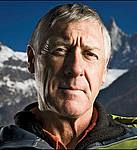
Climber Top DuniaRussell Brice. Brice adalah CEO “Himalayan Experience”, sebuah perusahaan panduan mendaki gunung (mountaineering). Brice adalah salah satu pendaki terbaik dan pendaki gunung di dunia dan ia telah mencapai puncak Mt. Everest dua kali. Dia juga telah mencapai puncak Cho Oyo dan Himal Chuli.

Climber Top DuniaJosune Bereziartu. Bereziartu mulai mendaki ketika ia berusia 17 tahun. Pendaki wanita ini berasal dari Basque, Spanyol. Saya suka dengan salah satu pendaki cewek ini karena Bereziartu secara konsisten membuka batas-batas apa yang telah dicapai wanita dalam olahraga memanjat.

Climber Top DuniaTommy Caldwell. Caldwell lahir pada tahun 1978. Dia sangat terampil dalam memanjat, disiplin. Pada bulan Mei, tahun 2004 ia menyelesaikan free climbing pertama Wall Dihedral. Dia juga pernah melakukan Free Climbing di Nose of El Capitan. Ia terkenal karena telah merintis beberapa rute yang paling sulit, seperti Barat Buttress, yang terletak di Yosemite Valley. Tommy Caldwell, Beth Rodden, dan sesama pendaki John Dickey dan Jason Smith pernah disandera oleh pemberontak di Kirgistan pada tahun 2000.
NEXT ->>...

Friday, August 12, 2011

Best Rock Climbing

Best Rock Climbing. This is the best rock climbing of Dan Osman a Japanese American 2 time Guiness Book of World Record holder.

Extreme Rock Climbing


NEXT ->>...

Wednesday, June 8, 2011

Guided Backpacking Trips in the Great Smoky Mountains

Did you know that REI offers guided backpacking trips in the Great Smoky Mountains? If you�re new to the park, or new to backpacking, this is a great way to explore the Smokies with experienced and professional guides.

REIs challenging Appalachian Trail tour follows the crest of the western Smoky Mountains. Along the way participants visit Clingmans Dome, Derrick Knob, Thunderhead Mountain, Rocky Top and Spence Field. Along the way hikers stay in backcountry shelters, and REI provides breakfast and dinners. The trip is considered challenging for experienced backpackers or very fit beginners. REI runs this guided trip about a dozen times this year, but half are already sold out.

For a backpacking excursion that�s a little less challenging, and a little more family friendly, REI introduced a new three day backpacking loop hike this year, designed for families with children ages 9 and up. The trip starts and ends in the Big Creek area, and includes a visit to the Mt. Sterling fire tower. Along the way hikers pass by old growth Hemlock and Spruce trees, streams, pools and cascading waterfalls. There are still two dates available for this year; however, you do have the option of organizing a privately guided trip.

For those seeking the ultimate in adventure, REI offers an introductory course in rock climbing in North Carolina's Pisgah National Forest. During this two-day course participants spend time at Looking Glass and Cedar Rock, two areas ideal for beginner climbers. The course is run by professional instructors that are certified by the American Mountain Guides Association, and have many years experience in teaching �Rock Climbing 101�. All meals, camping accommodations and required technical equipment are provided. Several dates are still available.

For more information on these guided trips, as well as a variety of other adventures in national parks and outdoor areas across the country - and around the world - please click here.


Jeff
HikingintheSmokys.com NEXT ->>...

Saturday, April 16, 2011

Rock Climbing Magazine

Rock Climbing Magazine. Guys... your is a new climber who's just starting to get into the sport, and you can look for a rock climbing magazine that's fun and informative,

You can download all the rock climbing magazine in here

Climbing Philosophy for Everyone 2010 - Stephen Schmid
Selected Bouldering (Yosemite Valley) - Don Reid
Ice World - Jeff Lowe
Sport Climbing, 3E - John Long
Rock Climbing (Outdoor Pursuits Series) - Phil Watts
Philosophy, Risk and Adventure Sports - Mike McNamee
Speed Climbing: How to Climb Faster and Better - H. Florine and B. Wright
Sport Climbing - Technical Tips - Unknown
The Complete Idiot's Guide to Rock Climbing
Training for Climbing - Eric J. Horst
US Army Basic Rock Climbing Course
US Marine Corps MWTC Assault Climbers Handbook
Medicine for Mountaineering, 4E - James A. Wikerson
High Altitude Medicine and Physiology

DOWNLOAD
NEXT ->>...

Sunday, January 30, 2011

Bouldering Techniques for Indoor Rock Climbing

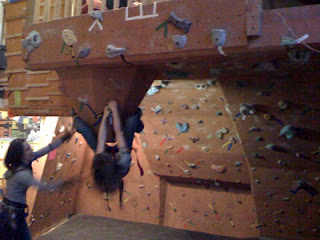
Bouldering Techniques. Knowing some bouldering techniques for indoor rock climbing will actually make it easier for you to identify certain holds on the wall. Discover these bouldering techniques from an avid rock climbing enthusiast in this free video on indoor rock climbing.

Rock climbing takes a lot of practice in order to safely climb. Discover these rock climbing tips from an avid rock climbing enthusiast in this free video series on rock climbing.


Bouldering Techniques

NEXT ->>...

Sunday, January 16, 2011

Climbing Tools: The Prussik Knot

Climbing Tools: The Prussik Knot. This is a must know knot for any climber. Used for everything from self belay to crevasse rescue. Try this hitch out. It is real easy but believe me you can be really hooped if you don't know it. On the other hand this will get you out of a bind when nothing else will. Common knot for mountaineers who travel light in the big hills. Used to ascend a rope or self rescue out of a crevasse.


Climbing Tools: The Prussik Knot

Climbing Tools
Video download Climbing Tools: The Prussik Knot

Download
NEXT ->>...

Monday, January 10, 2011

Bouldering Techniques

Bouldering Techniques. So you are planning upon practicing bouldering - a good choice! But there is a ton of ground work that has to be done as bouldering is not just about climbing and descending, it is a much more complicated part of rock climbing. The first part of the ground work is toning your your body and muscles. Chief requirements of bouldering are a toned body, flexibility, great muscle power, light weight and a good respiration. All these factors contribute to effective and safe climbing. In order to achieve such a level of physical fitness, you will need to do lots of exercise, such as frequent swimming, running, swift walking and push us and pull ups. In addition, gym work outs and Yoga will add to the benefit, as they will enhance respiration, flexibility and muscle toning. Once you have completed this ground work, to your satisfaction you may proceed to the actual climbing. Read on extreme sports

Bouldering Techniques
Bouldering Techniques 1: Warm Up and Get Ready
The first step before you undertake any bouldering activity is to warm up your body and have an equipment check. Warming up your body and working up a mild sweat is absolutely essential due to the fact that a warmed up body has a better response and reflex, not to mention a greater ability to exert power and strength. It would also prevent your muscles from cramping up and in addition to that oxygen and blood will reach to every possible corner of your body. Once you are done proceed to the rock face and make some basic holds, with both your hands and feet. Once you feel that you are ready, have a look at the rope, waist harness, carabiner and descender. Now you are ready to surmount the rock.

Bouldering Techniques 2: Read the Route and Feel the Rock
The next important technique is to read the route or rather plan the route on the rock face that you wish to take. You will need to visualize and analyze the route that you want to take up. Hence, just plan out your foot holds and hand holds, if possible along fissure or cracks in the rock face. It is also advisable to visualize each hold and the route. It must be taken into consideration that you might need to alter the plan, during the actual climb. Hence, it is wise to spot and memorize alternative holds. A common mistake that many people make is to ignore the descend. It is also important that you visualize the descend, since not all ascend holds can be used for a safe descend.

Bouldering Techniques 3: Holds and Grip
Many of us enthusiastically take a tight grip over the hold that we have found. However, it is better to have a relaxed and firm grip. A relaxed and firm grip is especially essential for foot holds. You may achieve such a grip by equally distributing your weigh and leaning towards the rock face but resist the urge of hugging it. Many amateurs often wonder that how can this possibly be advantageous. Well, when you lean in towards the rock, the action of gravity that acts on your body, decreases and believe it or not, it decreases our weight and enhances your balance. Another tip that is often offered, is that leaning too much is not very healthy but leaning in a parallel manner, further betters the balance. Thus, making a relaxed and firm grip is better than making a tight grip.

Bouldering Techniques 4: Static Climbing
Among the many bouldering tips the one that is very much ignored is static climbing. It basically means that bouldering is a method of climbing where shifting of weight eventually and evenly is necessary. Practically speaking, all you need to do is make two holds with a similar axis on the rock such as left hand hold and right leg hold or vice versa. You may also balance out only on your two feet, but I would advise you against balancing on only one hand or foot or only on two hands.

Source : http://www.buzzle.com/articles/bouldering-techniques.html
NEXT ->>...

Friday, April 23, 2010

Joshua Tree National Park Tempat Istimewa Pemanjat Tebing Dunia

Joshua Tree National Park adalah salah satu tempat yang sangat istimewa di dunia bagi para pecinta pemanjat tebing dunia, lokasi Joshua Tree National Park terdapat di Amerika tepatnya di High Desert North of Palm Springs.


Sudah banyak sekali pemanjat tebing dunia menikmati keindahan-keindahan puncak tebing yang ada disini, sekitar 6.000 rute tebing yang bisa digunakan untuk pariwisata di ketinggian ini.


Di sekitar Palm Springs juga terdapat sekolah untuk para pemanjat tebing yang masih pemula yaitu Joshua Tree Rock Climbing School. Anda pun bisa menimba ilmu panjat tebing dari instruktur profesional seperti seminar, kursus, private rock climbing, dll


Joshua Tree National Park
Sumber : sarimingeek.com
NEXT ->>...

Wednesday, April 14, 2010

Climbing - April 2010

Climbing - April 2010

Climbing - April 2010
PDF | 93 pages | 33 Mb | English


Climbing offers the entire climbing world: sport, trad, bouldering, walls, ice, alpine and mountains. In each issue we offer the richest stories on the vertical world you'll ever read, with award-winning photography. Climbing has earned its moniker as the journal of record for climbers worldwide.

DOWNLOAD
http://rapidshare.com/files/375897121/climbing-apr-10-gear.pdf
http://hotfile.com/dl/37933165/a00f2d0/climbing-apr-10-gear.pdf.html

DIRECT DOWNLOAD
NEXT ->>...

Wednesday, August 5, 2009

Rock Climbing in "Siung" Yogyakarta

Tebing Siung"Tebing Siung" Yogyakarta. From Yogyakarta Wonosari bus ride, then bus to the corner Wonosari three "Siung", after a few minutes walk on the beach so "Siung". The beach is beautiful. Yogyakarta in south coast known as the high waves, with the edge-barrier reef, and is a limestone area. Beach "Siung" as hidden beaches along the length of the bluff. Like a secret beach, the beach where the plane number 2 hidden Thunderbird. The white sand. Still beautiful. Moreover, not into a lot of garbage.

Tebing Siung
In addition to the Beach "Siung" that is the location of cliffs climb. Very good. Track is clear and challenging. One of the pioneering this path, since 1999 the name was "Mas Lombok. Climber is indeed derived from "Lombok". Position directly overlooking the sea this is a value-added "Tebing Siung" Cliffs other fields are usually in the middle or at the forest edge. One of them are "Tebing Tajur", Landscape from the top of the “Tebing Tajur” really beautiful, rice fields, gardens, hills, and the row houses so beautiful. There are more "Tebing Ciampea" both have the edge in the area of Bogor. Also "Tebing Parang", Purwakarta. Looking beautiful sunset from the slopes “Tebing Parang” also no less stunning. But the sea is far away to distinguish, cliffs that can not be compared with the beauty of "Tebing Siung".

Tebing Siung
NEXT ->>...

Monday, June 29, 2009

Climbing Wallpaper

rock climbing
Hey guys, love with this climbing wallpaper. Download it free here


rock climbing


NEXT ->>...

Saturday, June 27, 2009

Ice Climbing Wallpaper


NEXT ->>...

Friday, June 26, 2009

Sport Climbing

Sport CLimbingSports climbing are really great for anyone who likes challenging sport and even those who want get better shape. Some people may think that sports climbing are dangerous. In fact, it is no worse than driving a car. Just like when driving, there are simple things must done to make sports climbing safe.

Having proper sports climbing gear is a must, it is the first rule. The harness, right rope, helmet and shoes will determine how safe your climb is. Well, these equipments may not cheap but it is actually not more expensive than any other sports hobby.


Sports climbing not only require having the right gear but also skill and experience. You are not suggested to try to do something that is beyond your ability. Many climbers get into danger when they try to do something they can not. Always be sure that what you are climbing is within your ability. Stretching and doing something challenging is an important part of becoming a better climber but you have to be careful not to stretch yourself too far.

As an enthusiast of sports climbing, you must be sure to obey all laws and regulations that are relative to where you are climbing. There are many locations that have specific rules you need to follow. So, get information about that rules before you do climbing in a certain place.

By doing sports climbing, you are able to explore many places throughout the world. The great thing is that you have a chance to see these unique places from spots that only rock climbers can access. This alone is enough to get some people into the sport. When you look at all the other health benefits that come with rock climbing it is easy to see why people would grow to love it.

Sports climbing are really a great but cheap sport hobby. Moreover, they allow you to have unforgettable experience every time you climb. So, just get out there and start climbing.
NEXT ->>...

Saturday, June 20, 2009

Climbing Area

Climbing AreaA climbing area is a small geographical region with a concentration of opportunities for climbing. The term is most commonly used of rock climbing areas, but there are also ice climbing areas that have the right combination of steepness and water to result in climbable ice during the winter.

While there are many mountains and cliffs in the world, only a small percentage are popular for climbing. Mountain ranges are frequently at high elevations, remote, and tend to have poor weather much of the time, which means that the climber spends more time hiking, camping, and battling the elements than actually climbing. At the opposite end of the scale, many cliffs are too small or the rock is too unstable to make for an enjoyable and safe experience.

Characteristics

An ideal climbing area has these qualities:

* Close to an access road
* Large number of different routes
* Solid and stable rock
* Safe descent routes
* Good weather
* Free access
* Uncrowded

Yosemite Valley for instance is very nearly ideal. The valley is at a low elevation and allows climbing from March to November, it has an enormous amount of high-quality granite, with hundreds of routes ranging from the easy (The Grack) to some of the longest and hardest in the world, such as The Nose on El Capitan. As part of Yosemite National Park, the bases of the big walls are just a short walk from good roads, camping is available, hiking trails make the descents easy, and of course the scenery is world-class. Its main problem is that it's so popular that some routes will often have multiple parties of climbers getting in each other's way.

Most climbing areas fall short of the ideal, usually making up for it in some other way, sometimes just by being the closest good area to some city.

Development of a climbing area

Since rock climbing became an activity distinct from mountaineering in the 20th century, it is usually possible to trace the entire history of an area, generally starting with a few local climbers using the area as "practice rocks" in preparation for mountaineering expeditions. Inevitably a few in the local community would become more interested in the area for its own sake, exploring the area for new and unusual routes, typically looking for a combination of challenge, safety, and elegance of line, the last being a subjective quality that is nevertheless easy for climbers to agree upon.

This process has become known as "development" of a climbing area, and includes the placing of permanent bolts at key belays spots, rappel slings, as well as agreement on preferred equipment, minimization of environmental impact, and so forth, initially all done by word of mouth.

Development culminates in the publication of a climbing guidebook. The first edition of a guidebook may be little than a mimeographed pamphlet, but in the most highly developed areas, the books are thick tomes full of maps, photographs, and records of first ascents, and some have gone through multiple editions.

Climbers normally have a very light impact on an area; bolts are not visible from a distance, and only the knowledgeable will recognize the worn ground at the base of a route and the chalk residue on the rock for what they are. However, popular climbing areas eventually come to the attention of the area's legal stewards, whether they are the owners of private land, or the rangers of a park. In such cases, the local climbers may need to negotiate access rights or bolting policies. Places like Yosemite National Park actually have a staff of climbing rangers, who work with climbers to develop and enforce usage policies, and to perform rescues.
NEXT ->>...

Monday, May 11, 2009

Rock Climbing Takes a Good Stamina

rock climbingRock Climbing. For people who are keen to sport and adventurous activities, rock climbing is really exciting. This kind of sport obliges strong body, proper stamina as well as enough braveness. If you are a newbie, you can train your body as well as stamina through proper rock climbing training regime. This training is important owing to this sport involves much physical stress, so you have to ascertain your body can withstand it.

Challenging Sport

To do this sport successfully, you actually need not only proper strength as well as stamina but sufficient experience as well. Currently, rock climbing is claimed to be one of the most popular as well as challenging sports. You may wonder why this sport becomes so popular. Well, you will get a few reasons. Besides performed outdoors, it also provides an opportuinity to exercise strenuously and an individualistic challenge to each rock climber.

rock climbing
For rock climbers, it is also usual to work as a team of two in which one of them becomes the climber and the other becomes the belayer. Normally, belaying refers to feeding the rope to a climber through what is known as a belay device. The belayer makes certain that the ropes are locked off so that the climber below does not fall, while another option open to rock climbers is using bolted hangers.

Currently, there are many people do rock climbing as a family sport. The increasing numbers of rock climbing gyms that are coming up everywhere is one of the reason for this trend. In fact, it is even possible to indulge in this sport on board cruise ships that provide special walls where you can do your climbing.

There are a number of advantages you can get from rock climbing including feeling a sense of greater accomplishment. It also helps to build team spirit since rock climbing is best done in pairs and it then helps climbers to trust one another and also form a closer bond as they help each other with their rock climbing. Actually, after having completed your rock climbing, you would feel almost Zen-like oneness with the rock climbing structure and a greater peace of mind as well.

rock climbing
Without a doubt, rock climbing is a wonderful sport even for those who have never ever tried before. So, never be hesitate to try this sport and feel how enervating and fulfilling this sport can be. As soon as you take a time for your first effort, you will certainly want to do it time and again.
NEXT ->>...

Thursday, May 7, 2009

Become A Trainer For Mountain Climbing

Become A Trainer For Mountain Climbing. Most mountain climbers resort to the sport because they want to lose weight. Now what they do isn't rock climbing or ice climbing but trail hiking. Yes, trail hiking is considered to be mountain climbing - in fact, the easiest kind.

By hiking mountains that are 14,000 feet in range, a person can lose the unwanted pounds and get fit.

There are personal mountain climbing trainers to provide you with their services of teaching you the fundamentals in the sport. They arrange exercise programs most suitable for your lifestyle, your health and your schedule. All these will help you reach your goals.

You can log online and search for ads over the web. When you've decided on one, you will meet up and he will advise you on the kinds of exercises that you should do, as well as the correct way to do it.

The closer you get to your goal, the more specialized your activities will be. Your personal mountain climbing trainer takes note of your progress by recording it.

When you're ready, your personal trainer comes with you on a hike. Don't forget to bring boots, jacket, hydration pack and hiking polls. Your trainer will also give you first aid remedies and unexpected incidences that you should be aware of (so when it happens, you wouldn't panic.)

You should also note your altitude level. If you can't take the peak anymore, chances are you will feel dizzy. Figure out what range will give you altitude sickness. Normally, this occurs above 8000 feet.

Now, personal trainers are athletic and regularly go to the gym. If you live near the mountains, you won't have a hard time finding someone who is an experienced mountain trekker. Choose one who is also specializing in other outdoor work outs.

If there are no advertisements of personal trainers, then you can place an ad yourself. Or another option is you can ask stores selling hiking gear if they can recommend you to one. You can even go to your local gym and ask the personal trainers there if they can help you with mountain climbing. Buff people usually know other buff people.

The most important thing to remember is that you have the strength and endurance in this sport. This is very tiring and excruciating. It's also dangerous when done wrong. Don't worry too much about the trainer. Worry about yourself more. But if you feel confident and know you can do it, then trek the trail and have fun.

Website : www.goarticles.com
NEXT ->>...

Wednesday, May 6, 2009

Mountain Climbing For Everyone

Mountain Climbing For Everyone. Mountain climbing or mountaineering isn't only for men. At present, various women are engaging in this kind of sport. As Robyn Erbefield, a famous climber quoted, being a woman is no plus or handicap; men and women can climb. There are times when men can be stronger but women can also be strong.

Mountain ClimbingAlthough there are few distinctions between women and men who climb mountains, such that women are refined while men tend to be brute; both still enjoy the thrills of reaching the summit. It has been recorded that in 1659, there were 79 women who successfully climbed Mt. Everest and in the 1990's, 6 women climbed the mountain twice. It is very interesting to know that a good number of women are getting involved in mountain climbing.

Whether a woman is an experienced mountaineer or just a beginner, inherent danger is still present in climbing. One shouldn't take any precautions for granted. It will be useful to provide guidelines that can maximize any woman's safety. Consider the following sound advice:

  1. Before climbing, check on the temperature. Because mountain climbing can include rock and ">ice climbing, a climber can expect a subzero to extremely hot temperature. Proper training and skill development are vital. One can hire an instructor to properly advice her of the dos and don'ts in mountain climbing.
  2. Mountaineering involves difficulties of elevation, distance covered and the environmental conditions. There can be loose rock on the route. The climber should check the condition of lower offs and bolts. She should always check on her own harness and knots.
  3. Proper gear such as boots, jackets, pants and helmets should be prepared. Technical climbing equipment like ice axes, crampons and ropes should also be brought. Gears and equipment should be matched to the temperature when the planned climb will be executed. These things are essential once there is an increase in potential fall and slope angle.
  4. Even pregnant women want to continue their climbing. There is no problem with this unless it will be done during the first weeks of pregnancy. They should be aware of the risks they are taking. She should take it easy and slow down when she begins to feel heavy and tired. She should utilize a full body harness when a bump has increased.
Women engage in different extreme sports and mountain climbing proves to be an added challenge to their ability. They have been involved in mountaineering not just to be physically fit but to add adventure to their lives. There are many rewards associated with mountain climbing thus many women dedicate their lives to reach the highest and the most difficult peak they can climb.

Website : www.goarticles.com
NEXT ->>...

Clean Climbing Style

Clean Climbing Style. Clean climbing is a style of rock climbing that avoids damage to the rock by eschewing the drilling of bolts and the hammering of pitons. The style became practical with the invention of clean protection: nuts in the 1930s and spring loaded camming devices in the 1970s. The 1970s also saw the introduction of the Leave No Trace concept, which, among similar ethics for other outdoor activities, stipulates that climbers should follow these clean climbing notions.

Clean Climbing StyleClean climbing is the preferred style of climbing in most parts of the United Kingdom where it is more commonly known as traditional climbing (trad); British climbers tolerate bolts and pitons on only a few cliffs. In other parts of the world it co-exists with sport climbing.

Clean climbers can carry and place protection by hand, removing them just as easily and cleanly.

Pitons and bolts are rarely used (almost exclusively in aid climbing) due to the damage they cause to the rock. This ethic has evolved such that on most modern climbs, any bolts and pitons installed are left in place (known as "fixed") for all future parties to use, in order to prevent multiple damaging placements.

Clean climbing differs from Sport Climbing, a popular form of climbing in many parts of Europe and the United States (as well as other countries), in that protection for Sport Climbing is provided entirely by fixed bolts, and clean gear is rarely used. Sport Climbing typically involves shorter routes (usually 100' in height or less) focusing on overhung, strenuous movements, and does not require the considerable skill of placing and removing clean protective gear.

Some routes are partially bolt protected and partially gear protected. These are most commonly referred to as "mixed protection" routes.

The debate between Traditional, or Trad Climbers, and Sport Climbers continues to this day over what the acceptable usage of bolts for protection is. Most Traditional climbers believe that bolts should not be used on any route where clean protection is possible, in order to preserve the rock. Some sport climbers believe that all routes should be bolted completely so that gear placement skills are not necessary to attempt the climb.

The general ethic is very dependent upon the area in question and varies widely by region. Generally speaking, the traditional ethic holds in most areas, and bolts are not used for protection unless there is no other option.

Left to traditional clean climbers, major UK climbing areas—Malham Cove, for example—could have been climbed and still remain clear of expansion bolts. Despite this, bolting was permitted by the BMC on this Site of Special Scientific Interest
NEXT ->>...

Monday, December 15, 2008

Free solo climbing

Free ClimbingFree solo climbing, also known as free soloing, is a form of free climbing where the climber (the free soloist) foregoes ropes, harnesses and other protective gear while ascending and relies only on his or her physical strength, climbing ability, and psychological fortitude to avoid a fatal fall. Free solo climbing should not be confused with free climbing, in which gear is used for safety in case of a fall, but not to assist the climb. Less risky alternatives to free soloing include bouldering (climbing at heights low enough that a fall would typically be safe) and deep water soloing (climbing where falling would result in harmlessly falling into water).

Reasons for free soloing given by high-profile climbers include the simplicity and speed with which one can climb, a feeling of intense concentration required, and the adrenaline rush. The practice is mostly confined to routes familiar to the climber and whose difficulty lies well within the climber's abilities. However, inherent risks such as loose rocks or sudden change in weather are always present, and some high-profile climbers have been killed this way.


Yosemite climbing program manager and park ranger Mark Fincher said there has been only one confirmed death from free-soloing at the park, that of Derek Hersey, a high-profile free-soloist who died on Sentinel Rock in 1993. The challenge of free soloing single pitch routes is mainly the mental difficulty for the climber of staying focused on what he is doing. Free soloing should usually not be hard in a physical sense. This is not to say, however, that on longer routes unpredictable weather and rock conditions cannot create grave hazards for climbers. Hersey, though a master of solo climbing's physical and mental demands, is believed to have encountered rain during his fatal solo ascent of the 1000-meter Sentinel Rock.

Practitioners

The sport has produced a number of well-known practitioners, made famous by remarkable photos of a climber totally alone and unprotected on sheer cliffs. One of the most famous is Frenchman Alain Robert ("spiderman"), who has scaled dozens of skyscrapers around the world - a sport known as buildering - and many rock walls, without using any safety equipment.

rock climbing
Some of the driving forces in rock climbing and free soloing from 1900 to today: Paul Preuss, Henry Barber, John Bachar, Derek Hersey, Peter Croft, Alexander Huber, Dan Osman, Dean Potter, Alain Robert and Michael Reardon.

Safer alternatives

Free soloing on seacliffs, where a climber falling into deep water may avoid injury, is known as deep water soloing - however, this should only be carried out at very specific sites which have been properly ascertained to be safe for the purpose. Otherwise, free soloing on seacliffs is viewed as particularly dangerous due to the unique combination of hazards such as loose rock, tides, submerged boulders, and difficulty of rescue.

Free Climbing
Remaining close to the ground (typically below 25 ft.) and using protective mats is known as bouldering and is another, safer alternative.
NEXT ->>...

Sunday, December 14, 2008

ROCK CLIMBING

Rock Climbing

For a rock climber, reaching the top is not the point. Rock climbing is the journey that matters most if you are climbing for fitness.


Whether their journey lasts two hours or two days, rock climbers can benefit from a mental workout as well as a physical one, according to the Colorado-based American Sport Climbers Federation (ASCF). Physically, rock climbing burns fat while strengthening muscles if pursued at a vigorous pace. Mentally, rock climbers exercise their ability to focus fully on a single task. Climbers also get practice confronting their fears- the fear of heights, the fear of falling, the fear of failure. Ultimately, the sport can improve your self-confidence - if you learn how to climb safely, that is.

What is rock climbing?

Until recent years, scaling cliffs and huge mountain peaks was considered the most legitimate form of climbing and shorter routes were considered practice for these longer endeavors. More recently, indoor climbing on artificial walls, shorter outdoor climbing routes and competitive climbing have gained popularity. During the last 10 years rock climbing has become a relatively mainstream adventure activity.

Increasing numbers of people are introducing themselves to rock climbing in indoor climbing facilities, or rock gyms. The number of rock gyms in this country has soared. Located in schools, universities and commercial facilities, rock gyms provide climbing walls of varying difficulty levels equipped with movable holds, ropes and pulleys. Reputable rock gyms provide expert instruction and rent climbing shoes, harnesses and other equipment you will need to climb safely.

Many basic climbing skills mastered in a rock gym can be transferred to outdoor climbing - a more exciting, albeit more dangerous, pursuit. "Bouldering," or climbing boulders (large rocks), is probably the simplest and safest form of outdoor rock climbing because boulders are low to the ground and can be climbed without ropes or other gear. Sport climbing involves rope and other safety gear but is associated with shorter, safer routes and more difficult athletic movements.

Traditional "trad" climbing on big rock faces, such as El Capitan in Yosemite, emphasizes the use of holds and various protection devices inserted into cracks as the climber ascends. Because these devices take some skill and effort to place correctly, trad climbing moves are slower and less powerful compared with sport-climbing moves. "Free climbing" uses natural rock features to climb with ropes and other devices to protect against falls.

How many calories will rock climbing burn?

Ascending a natural or artificial rock wall burns up to 700 calories an hour if you weigh 140 pounds or up to 974 calories an hour if you weigh 190 pounds. Rock-climbing sessions tend to last at least two or three hours. However, due to its great intensity and physical demand, duration is more limited than most activities.

Advantages

In addition to offering an anaerobic and aerobic workout, rock climbing exercises almost every muscle group, according to the ASCF. Rock climbing two or more times a week improves your strength, muscular and cardiovascular endurance, flexibility, and mental toughness.

Disadvantages

Rock climbing, particularly the outdoor version, is inherently dangerous and potentially fatal. It is particularly dangerous for a beginner or even an intermediate rock climber to pursue the activity without sufficient instruction and hands-on guidance from a qualified instructor or a more experienced climber. Even experienced climbers should take the necessary precautions such as being equipped with all of the proper gear and working in pairs.

Surveys have found that 75 percent of climbers sustained some form of injury during their climbing careers. The injury risk seems more closely tied to how long a person has been climbing as opposed to experience levels or degree of difficulty of climbs performed, the researchers concluded.

Most rock climbing injuries involve the hands and arms. Common overuse problems reported by climbers include spinal syndromes, tendonitis of the forearm and shoulder, carpal tunnel syndrome and finger strains. Another frequently reported problem, especially among older climbers, is a spinal syndrome known as "belayer's neck." The belayer, or person feeding the rope out to the lead climber, is responsible for stopping the lead person's fall by means of friction devices attached to the rope. This necessitates long periods of direct upward gaze, as the belayer usually positions himself underneath the lead climber. This prolonged posturing commonly triggers neck ache and headache.

Deaths associated with outdoor climbing usually stemmed from equipment failure, human error, or simple recklessness. Rock gyms are designed so that the falling distance is much shorter than you would encounter in most natural rock climbing settings. However, the more difficult climbs and maneuvers that can be performed repetitively indoors place a big strain on soft tissues, which can be - greater than the demands of outdoor climbing.

Who can participate?

People wishing to condition themselves to tackle challenging outdoor climbing courses should make sure their training sessions in the climbing gym involve speed work, power work and stamina training.

It's important to check with your doctor before you start any rigorous activity like climbing, especially if you have heart disease, diabetes, asthma, or another condition.

Learning to climb

Rock climbing, even in the controlled environment of a gym, should never be attempted without expert instruction. Your introductory lesson will include basic safety rules. They are how to tie yourself into your harness and how to belay (the act of taking up slack in the rope as the climber ahead of you ascends, so the climber will fall just a couple of inches in case he or she loses a grip). You are also taught holds, various climbing maneuvers and how to tie basic knots, such as the figure-eight knot. Be sure to practice what you have learned under the watchful eyes of a qualified instructor. The number of beginner lessons you'll need depends on your aptitude for knot-tying, your fitness level and other factors.

Outdoor climbs are best tackled through a reputable climbing school, rock gym or guide company.

Before making the transition from indoor to outdoor climbing, climbers need to learn resting positions, how to place protection devices in rocks and other skills.

Rock climbing guidelines

* Always climb with a qualified instructor or climber who is much more experienced than you are.
* Always wear a harness that fits you properly. Various types of harnesses are available. Try on several until you find one that is snug but not too tight.
* Follow the manufacturer's instructions for keeping all your gear in top condition.
* Don't expect your harness to last indefinitely.
* Replace your ropes after any hard fall, or if it develops flat or soft spots, becomes stiff or shows other signs of wear and tear.
* Don't use your climbing rope for anything other than climbing.
* In general, the longer and more vertical your course, the higher your risk for injuries.
* Lower your risk for belayer's neck by rotating belayers regularly and doing flexibility exercises between climbs.

Rock climbing gear

A basic set of gear costs about $200 or more, half of which goes to climbing shoes.

The basic equipment consists of:

* Rock shoes, which protect your feet as well as grab, hold and interact with rock. Different shoes are available for different climbing conditions.
* Carabiners, or lightweight, metal snapping links that are used for a wide variety of climbing tasks. Your instructor can tell you which style will best suit your needs.
* A hardness that will accommodate your body shape and climbing style.
* Rope specifically designed for climbing.

Glossary of terms

Anchor: point where the rope is fixed to the rock

Belay: to secure a climber who is above you

Belayer: the person at the belay station securing the climber

Boulder: climbing without being roped on boulders or at the foot of climbs to a height where it is still safe to jump off

Buttress: part of the mountain or rock that stands in front of the main mountain face

Chalk: powder that counteracts perspiration for a better grip on a smooth rock

Clove hitch: a useful, easily adjustable climbing knot

Crag: small climbing area

Feet: footholds

Handle: big banana-shaped hold often found in rock gyms

Harness: a piece of clothing worn around the torso, where various climbing equipment is attached

Hold: anything that can be held onto

Pocket: a hold formed by a (small) depression in the rock

Rack: gear carried during an ascent

Rappel: descending by sliding down a rope

Rating: number denoting the technical difficulty of a climb

Scrambling: easy climbing without being roped

Slack: word yelled when the climber needs more rope

Sport climbing: competitive climbing

Tick marks: chalk marks used to locate holds when bouldering

Top-rope: free climbing a route that has a safety rope attached to the top of the climb

Traverse: climbing horizontally
NEXT ->>...